
One physical-layer architecture.
Sequenced products.
CHIPX develops finished semiconductor products designed to help AI infrastructure turn more of a fixed power envelope into useful compute.

What we build
Products designedas one system
Power is the first commercial entry point. Photonics follows. Memory, packaging and thermal integration deepen the platform as each preceding layer proves the route to deployment.
800V SiC Power Products
The first commercial entry point. CHIPX’s 800V SiC architecture is designed around AI-system power requirements to reduce conversion losses between the grid and the accelerator.

3.2 Tb/s Optical Transceiver
The next commercial deployment. CHIPX is industrialising a DSP-less optical transceiver for high-bandwidth data movement within and between AI servers and racks.

Memory AI Accelerator
The later platform roadmap integrates memory architecture, advanced packaging and thermal interfaces closer to the accelerator. This layer remains gated by commercial milestones in power and photonics.

How we do it
From architectureto finished product
CHIPX owns the reference architecture, product design, specification, qualification and customer relationship. Qualified partners fabricate, package, assemble, test and fulfil.

Power, photonics, memory, packaging and thermal integration are designed against CHIPX Connect. The aim is to improve the system around AI compute rather than optimise each component in isolation.
Who we serve
AI infrastructurecustomers and partners
CHIPX works with the organisations that specify, integrate and operate AI infrastructure—from AI factory and data-centre operators to OEMs, ODMs and system integrators.

AI Factory Operators
Turn a fixed power envelope into more useful AI compute by improving the physical system around the accelerator.

Data Centre Operators
Address power conversion, data movement and thermal constraints across server and rack infrastructure.
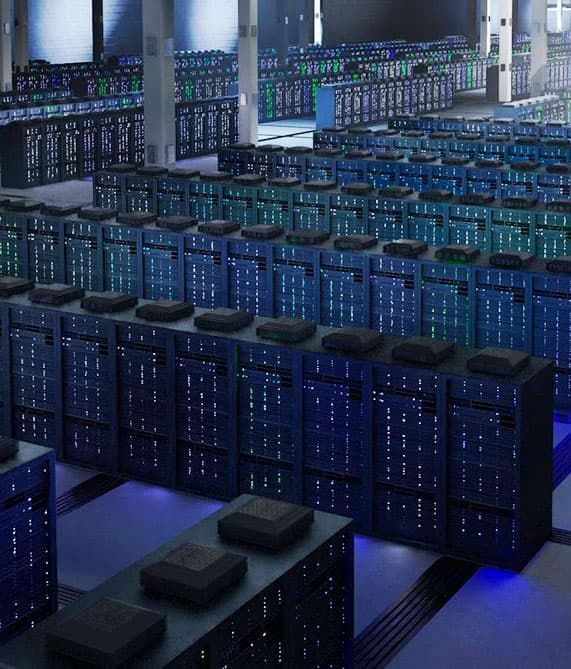
OEMs
Integrate finished CHIPX semiconductor products and modules into AI servers, racks and infrastructure.
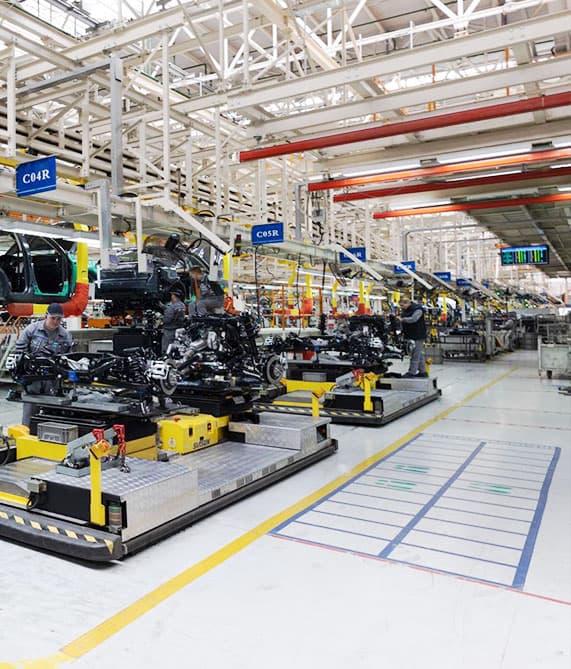
ODMs
Translate reference designs into manufacturable systems aligned with customer specifications and qualification requirements.
System Integrators
Coordinate products across the physical AI stack and deliver them into operating infrastructure.